

Lido Staked Ether (STETH) has emerged as a leading liquid staking solution in the Ethereum ecosystem, allowing users to earn staking rewards while maintaining liquidity. As Ethereum continues to evolve post-merge, understanding the mechanics, benefits, and risks of STETH has become essential for DeFi participants seeking to optimize their strategies. This comprehensive guide examines STETH from multiple angles, providing you with the insights needed to make informed decisions in your DeFi journey.
Liquid Staking Mechanism: How STETH Works
Lido Staked Ether represents a fundamental innovation in how users can participate in Ethereum’s proof-of-stake consensus mechanism. When you stake ETH with Lido, you receive an equivalent amount of STETH tokens that represent both your initial deposit and the staking rewards earned over time.
The Minting Process
The process begins when users deposit ETH into Lido’s smart contract. The protocol then mints STETH tokens on a 1:1 basis with the deposited ETH. These tokens are ERC-20 compatible, meaning they can be transferred, traded, or used across various DeFi applications while the underlying ETH remains staked on the Ethereum network.
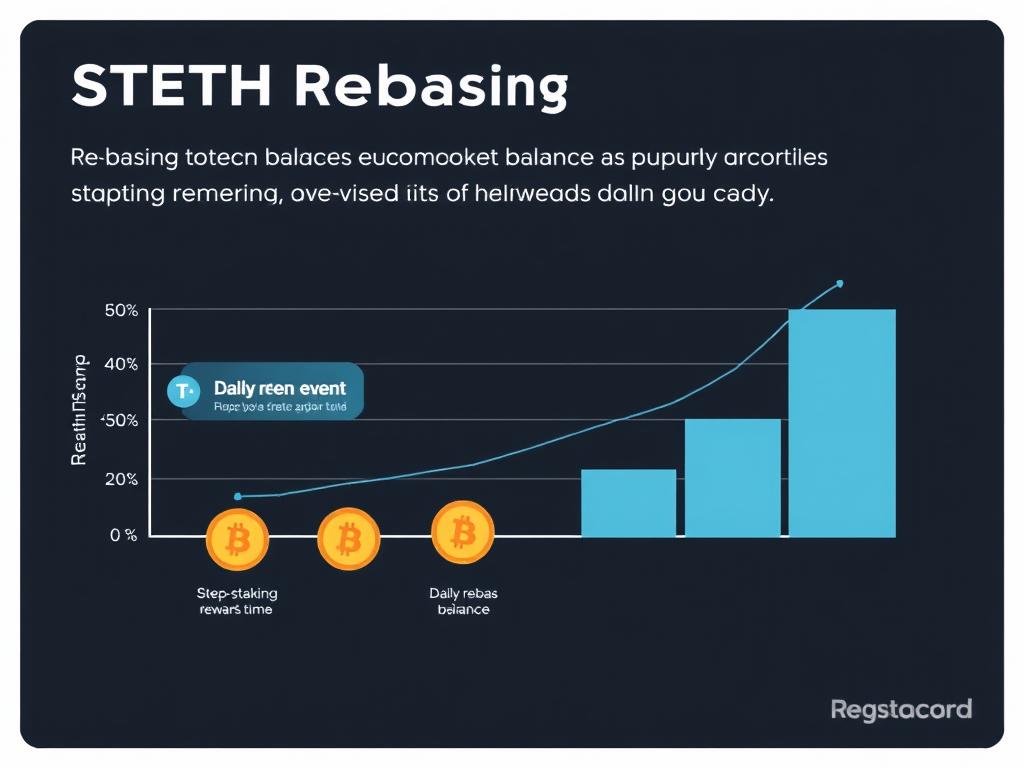
Rebasing Mechanism
Unlike traditional staking where rewards are claimed separately, STETH implements a rebasing mechanism that automatically adjusts token balances daily to reflect earned staking rewards. This means your STETH balance grows over time without requiring any action on your part, effectively compounding your returns.
Ready to start earning staking rewards?
Join over 240,000 users already staking with Lido and earn daily rewards on your ETH while maintaining liquidity.
STETH/ETH Peg Analysis
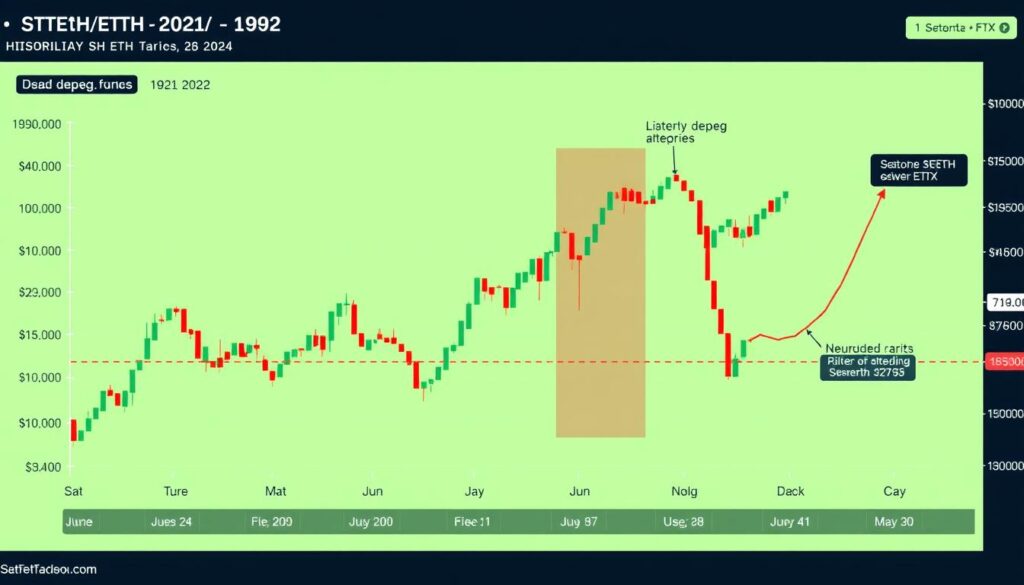
While STETH is designed to closely track the price of ETH, market conditions can create temporary deviations in this relationship. Understanding these “depeg” events is crucial for managing risk in your STETH positions.
Historical Depeg Events
| Event Period | Lowest STETH/ETH Ratio | Primary Cause | Recovery Time |
| June 2022 | 0.955 | Terra/UST collapse, market-wide liquidity crisis | 2 months |
| November 2022 | 0.973 | FTX collapse, institutional selling | 3 weeks |
| March 2023 | 0.992 | Shanghai upgrade uncertainty | 1 week |
Peg Stability Mechanisms
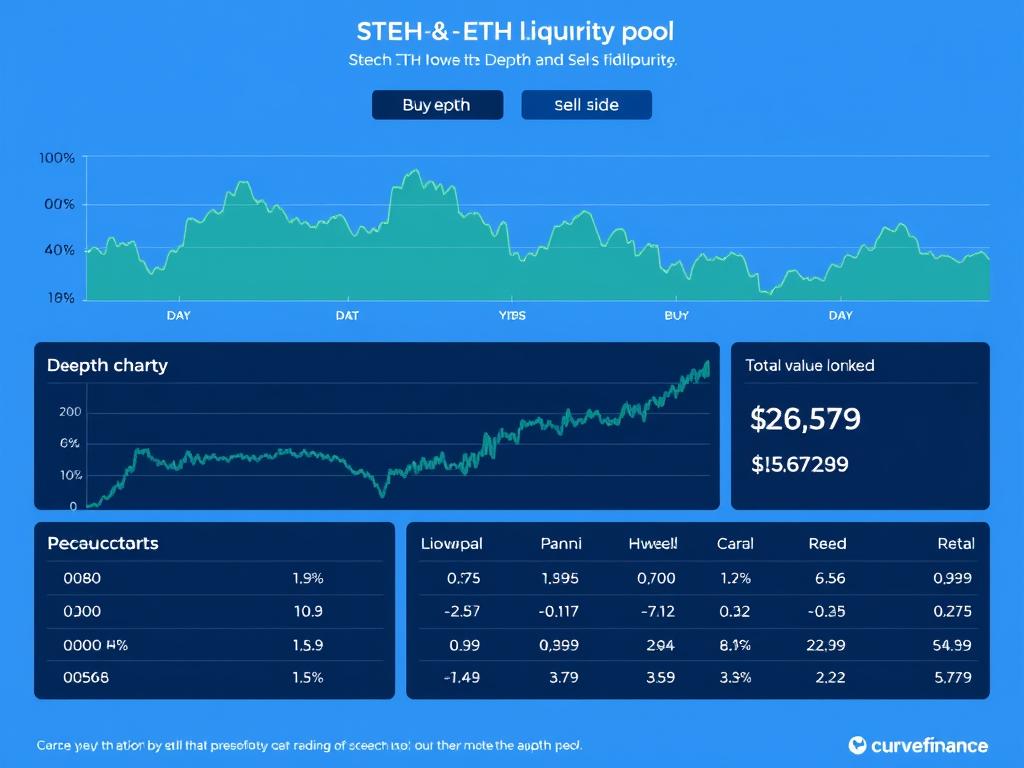
Lido has implemented several mechanisms to maintain the STETH/ETH peg, including deep liquidity pools on decentralized exchanges like Curve Finance. These pools allow for efficient arbitrage that helps correct price deviations. Additionally, the protocol’s design ensures that after the Shanghai upgrade, direct redemptions of STETH for ETH further strengthen the peg.
Risk-Reward Assessment
Every staking solution involves tradeoffs between potential returns and various risks. Understanding these factors is essential for making informed decisions about incorporating STETH into your portfolio.
Benefits
- Earn staking rewards while maintaining liquidity
- No minimum deposit requirement (unlike 32 ETH for solo staking)
- Diversified validator set reduces slashing risk
- Composability with DeFi protocols for additional yield
- No technical expertise required for staking
Risks
- Smart contract vulnerability exposure
- Potential for temporary depegging from ETH
- Centralization concerns with node operators
- Regulatory uncertainty around liquid staking derivatives
- Slashing events affecting overall pool performance
Comparative Returns Analysis
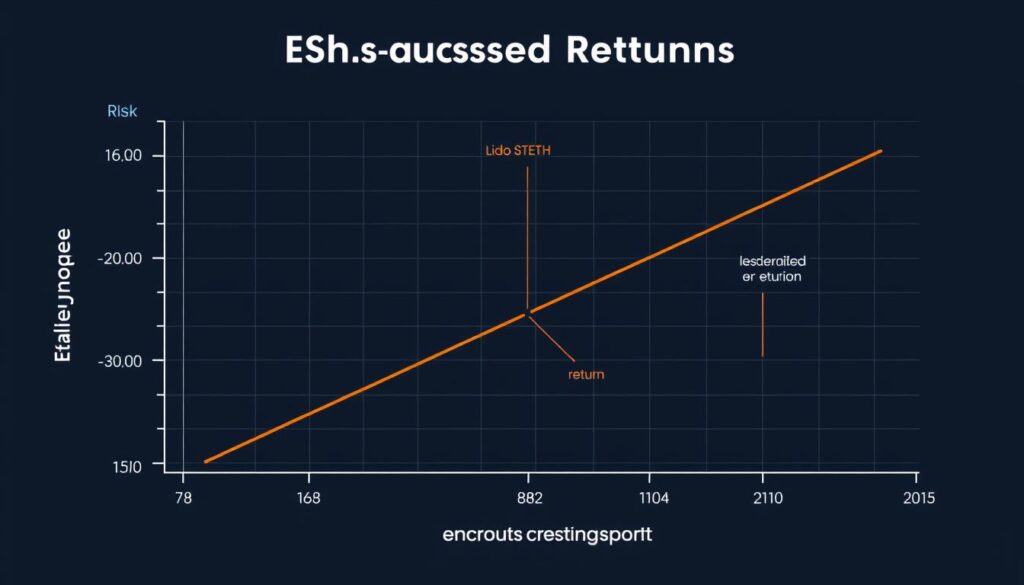
| Staking Method | Current APY | Liquidity | Minimum Stake | Technical Complexity |
| Lido (STETH) | 3.8% | High | Any amount | Low |
| Solo Staking | 4.2% | None | 32 ETH | High |
| Centralized Exchanges | 3.0-3.5% | Medium | Varies | Very Low |
Monitor your STETH performance
Track your staking rewards, analyze historical performance, and optimize your strategy with professional portfolio tools.
Tokenomics & Governance
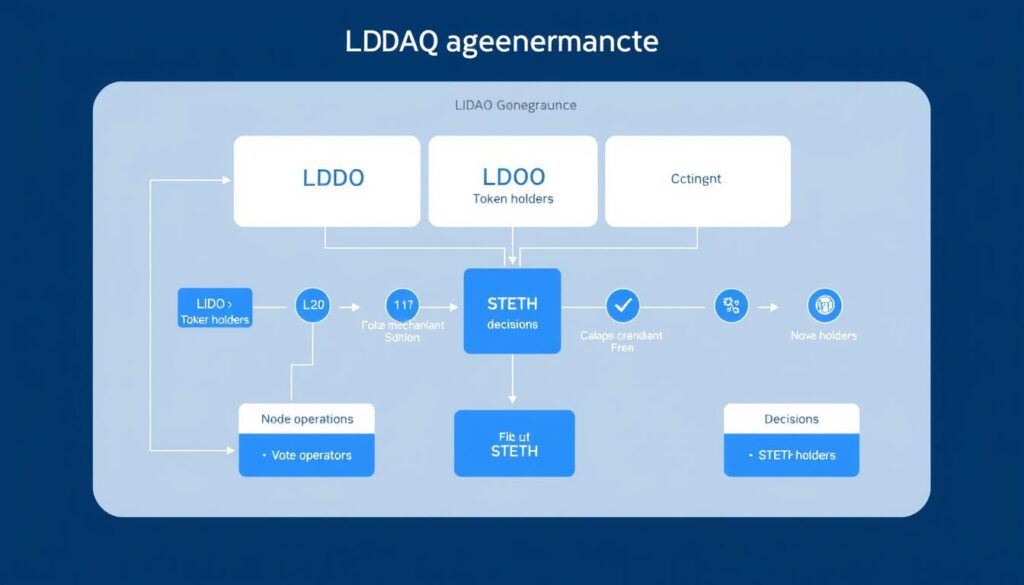
Understanding the relationship between STETH and the Lido DAO governance token (LDO) provides insight into how protocol decisions are made and how they might affect your staked assets.
LDO Token’s Role
While STETH represents staked ETH, the LDO token is the governance token of the Lido DAO. LDO holders vote on critical protocol parameters, including:
- Node operator selection and removal
- Fee structure adjustments
- Protocol upgrades and improvements
- Treasury management decisions
- Risk parameters for the protocol
Recent Governance Decisions
| Date | Proposal | Outcome | Impact on STETH |
| March 2023 | Dual Governance Implementation | Approved | Enhanced security for protocol changes |
| July 2023 | Validator Exit Queue Management | Approved | Improved liquidity management |
| November 2023 | Fee Structure Adjustment | Approved | Slight increase in staking yields |
Competitor Benchmark: STETH vs Other Liquid Staking Tokens
The liquid staking derivative (LSD) market has grown increasingly competitive. Understanding how STETH compares to alternatives helps you make optimal allocation decisions.
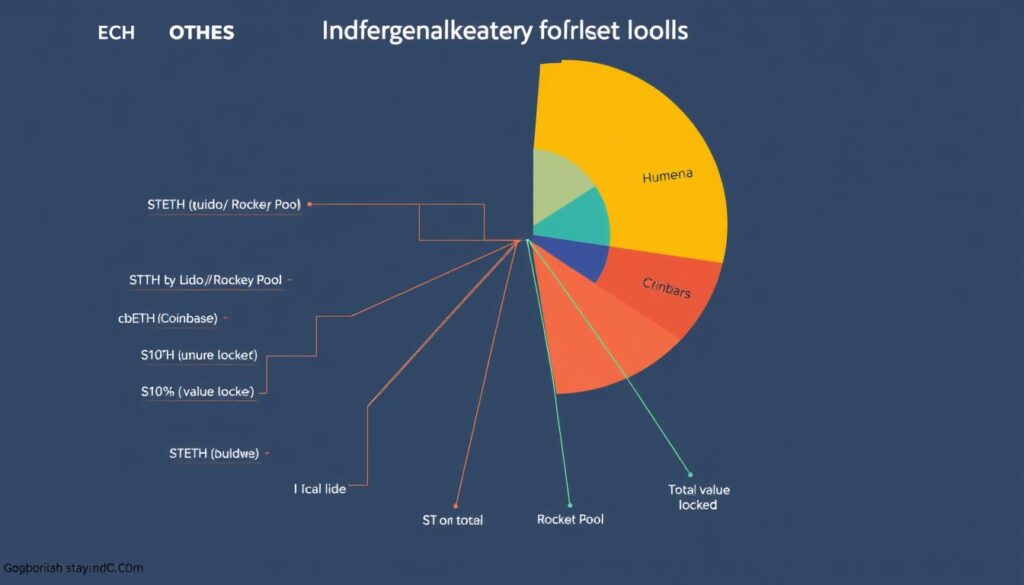
| Feature | STETH (Lido) | rETH (Rocket Pool) | cbETH (Coinbase) | sfrxETH (Frax) |
| Current APY | 3.8% | 4.0% | 3.5% | 3.9% |
| Market Cap | $35.3B | $1.2B | $2.1B | $0.4B |
| Decentralization Score | Medium | High | Low | Medium |
| Liquidity Depth | Very High | Medium | High | Low |
| DeFi Integration | Extensive | Good | Limited | Growing |
Liquidity Pool Comparison
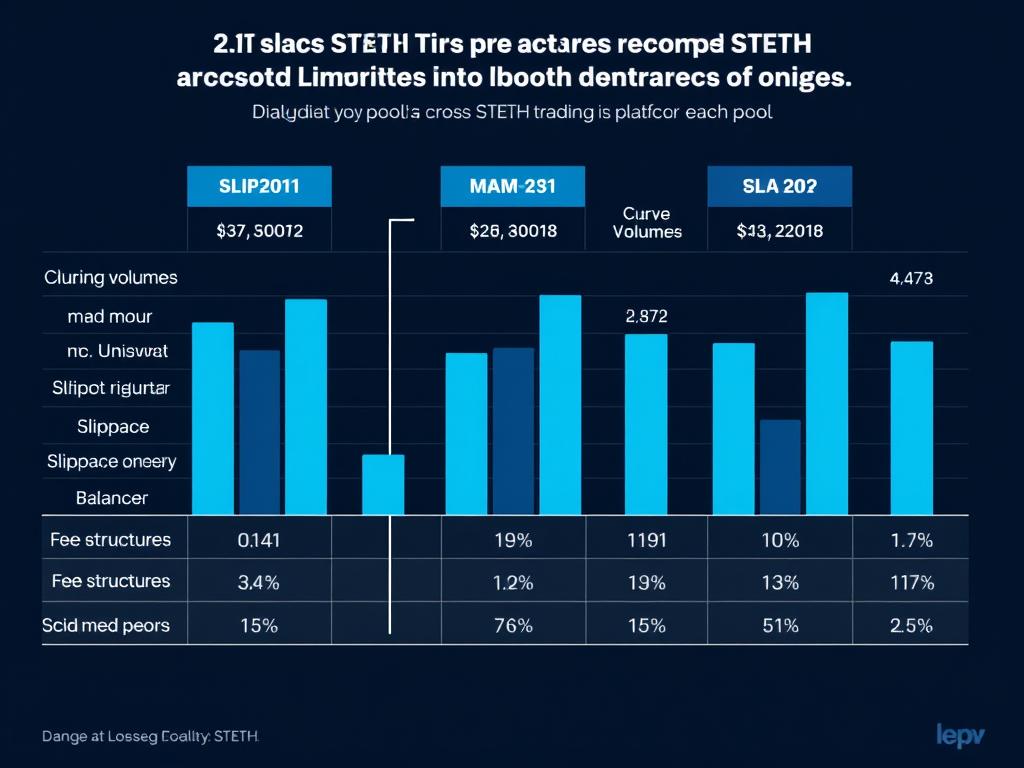
One of STETH’s key advantages is its deep liquidity, particularly in Curve Finance pools. This liquidity ensures you can enter and exit positions with minimal slippage, even during market volatility.
DeFi Integration Strategies
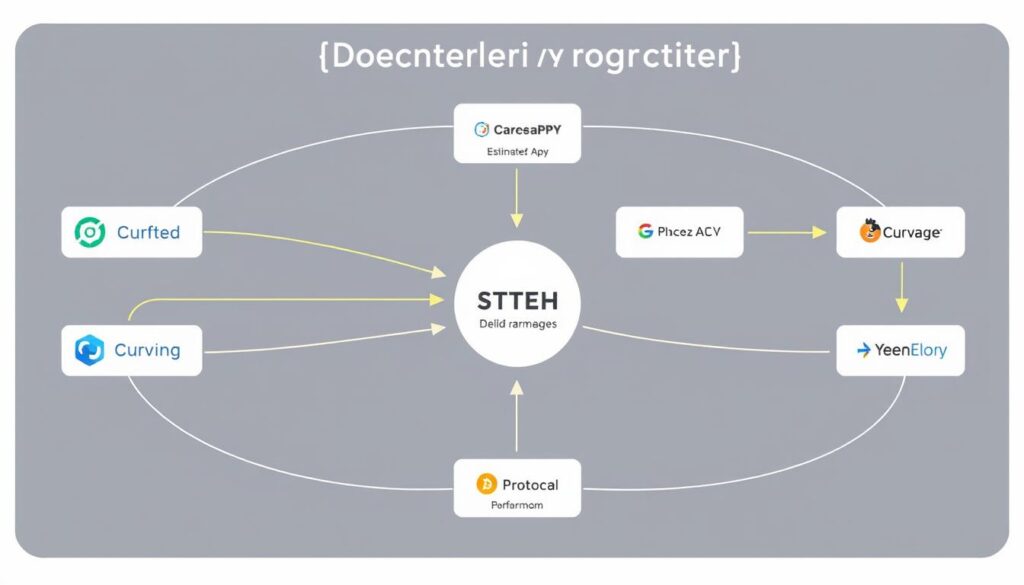
STETH’s true power comes from its composability with other DeFi protocols, allowing for sophisticated yield strategies beyond basic staking returns.
Lending Markets
STETH can be used as collateral on major lending platforms, allowing you to maintain your staking position while accessing liquidity for other opportunities.
| Platform | Collateral Factor | Borrowing Power per 10 STETH | Liquidation Threshold |
| Aave V3 | 73% | $29,000 | 78% |
| Compound V3 | 70% | $27,800 | 75% |
| Maker | 68% | $27,000 | 72% |
Advanced Yield Strategies
For experienced DeFi users, STETH opens the door to complex yield optimization strategies that can significantly enhance returns.
Strategy 1: Curve + Convex
Deposit STETH into Curve’s STETH-ETH pool, then stake the LP tokens on Convex to earn additional CRV and CVX rewards.
- Base APY: 3.8% (STETH staking)
- Curve trading fees: ~0.5-1.5%
- Convex rewards: ~2-4%
- Total potential yield: 6-9%
Strategy 2: Leveraged Staking
Use STETH as collateral on Aave to borrow ETH, then stake the borrowed ETH back into Lido for additional STETH.
- Base APY: 3.8% (initial STETH)
- Additional yield: 1-2% (from leverage)
- Borrowing cost: ~1-2%
- Net yield: 3-5% (risk-adjusted)
Strategy 3: Yield Aggregators
Deposit STETH into yield aggregators like Yearn Finance that automatically optimize yield across multiple protocols.
- Base APY: 3.8% (STETH staking)
- Strategy optimization: 1-3%
- Management fee: 0.5-2%
- Net yield: 4-6% (variable)
Regulatory Landscape
The regulatory environment for liquid staking derivatives continues to evolve, with implications for both individual users and the protocol itself.
Important Notice: Regulatory treatment of liquid staking derivatives varies by jurisdiction. This information is not legal advice. Always consult with a qualified professional regarding your specific situation.
Key Regulatory Developments
- SEC statements suggesting some liquid staking tokens may be considered securities
- European MiCA regulations providing clearer framework for staking services
- Lido DAO’s ongoing governance efforts to increase decentralization
- Tax treatment variations across jurisdictions (rebasing as taxable events)
Lido has been proactively working to address regulatory concerns through increased transparency, decentralization efforts, and engagement with regulatory bodies. These efforts aim to ensure long-term viability regardless of regulatory developments.
Future Outlook and Strategic Recommendations
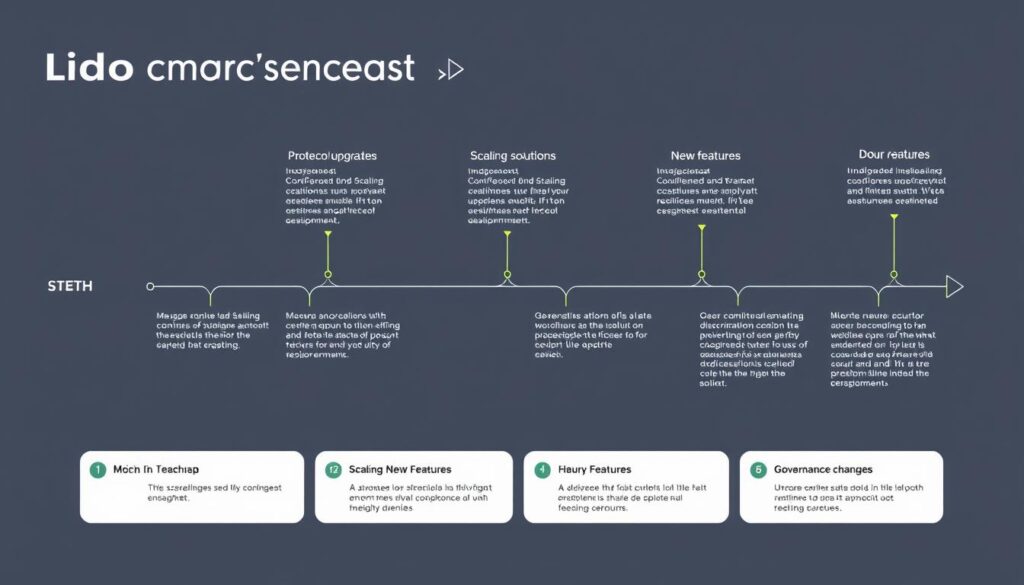
As the Ethereum ecosystem continues to evolve, STETH’s position and utility will likely change as well. Understanding potential developments helps inform your long-term strategy.
Potential Catalysts
Positive Catalysts
- Ethereum protocol upgrades improving staking yields
- Increased institutional adoption of liquid staking
- Expansion to additional networks beyond Ethereum
- Regulatory clarity favoring decentralized staking solutions
Risk Factors
- Increased competition from other liquid staking protocols
- Regulatory challenges specific to large staking providers
- Technical risks from Ethereum protocol changes
- Market saturation limiting growth potential
Strategic Recommendations
Conservative Approach
For risk-averse investors seeking stable returns with minimal complexity.
- Allocate 5-15% of ETH holdings to STETH
- Hold in self-custody wallets
- Avoid leverage or complex strategies
- Maintain diversification across staking providers
Balanced Approach
For moderate risk tolerance seeking enhanced yields with manageable complexity.
- Allocate 15-30% of ETH holdings to STETH
- Utilize basic DeFi strategies (Curve pools)
- Consider collateralized borrowing at conservative ratios
- Actively monitor protocol developments
Yield Maximizer Approach
For experienced DeFi users comfortable with higher risk for enhanced returns.
- Allocate 30-50% of ETH holdings to STETH
- Implement advanced yield strategies
- Consider moderate leverage (1.5-2x)
- Actively participate in governance
Conclusion
Lido Staked Ether (STETH) represents a significant innovation in the Ethereum ecosystem, enabling users to earn staking rewards while maintaining liquidity and access to DeFi opportunities. With its substantial market presence, deep liquidity, and extensive DeFi integrations, STETH has established itself as the leading liquid staking solution.
However, users should remain mindful of the associated risks, including smart contract vulnerabilities, potential depeg events, and evolving regulatory considerations. By understanding these factors and implementing appropriate strategies based on your risk tolerance, you can effectively leverage STETH to enhance your Ethereum holdings’ productivity.
As the Ethereum ecosystem continues to evolve post-merge, staying informed about protocol developments, governance decisions, and market conditions will be essential for optimizing your STETH strategy and maximizing returns while managing risks.
Ready to optimize your ETH holdings?
Start earning staking rewards while maintaining liquidity with Lido Staked Ether.

